
A month of cooking on induction
Show 0 more photos Show 4 more photos Hide additional photos
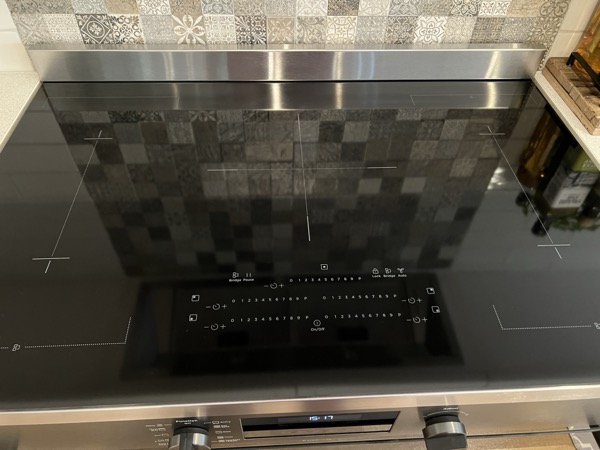
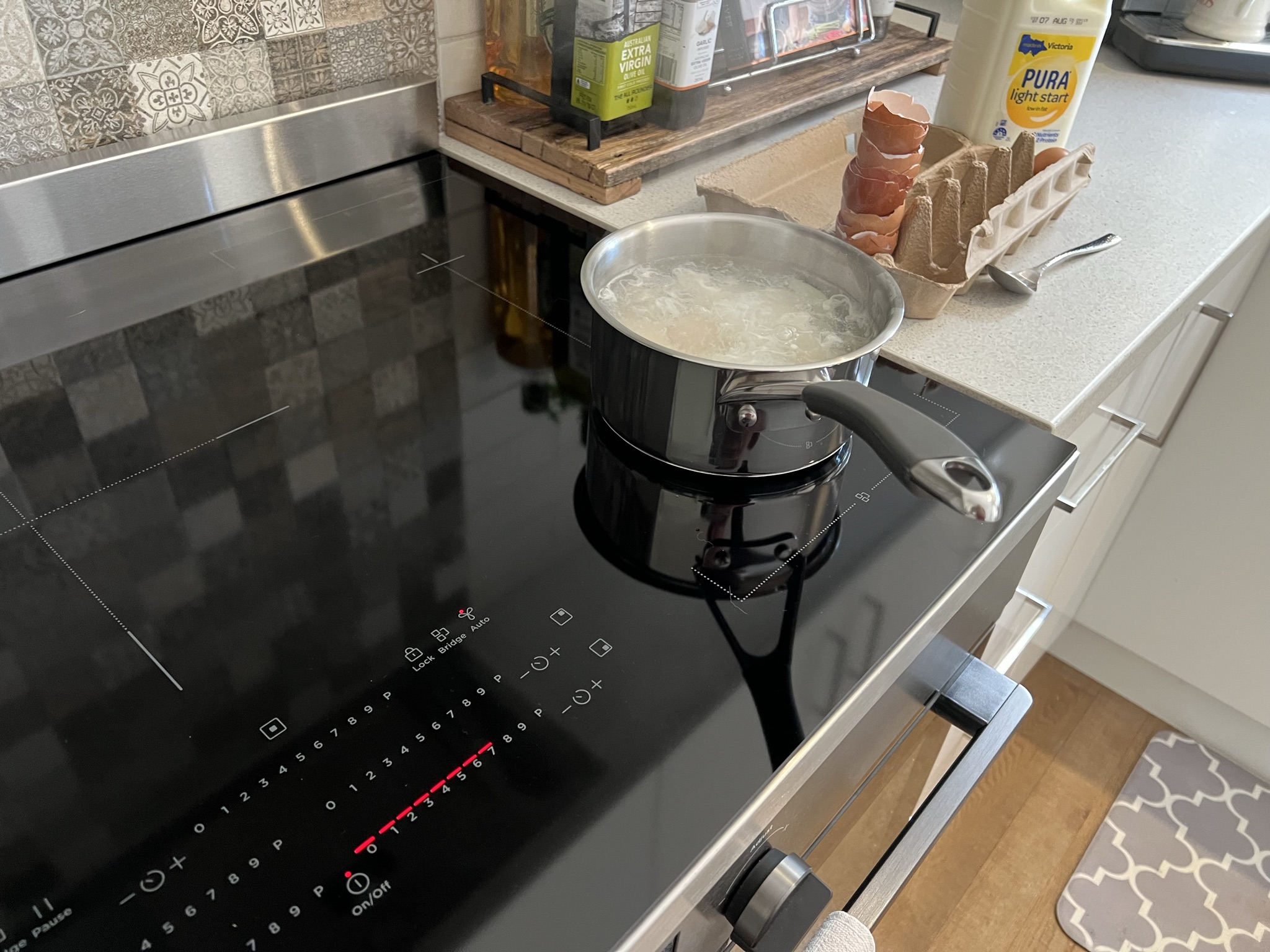
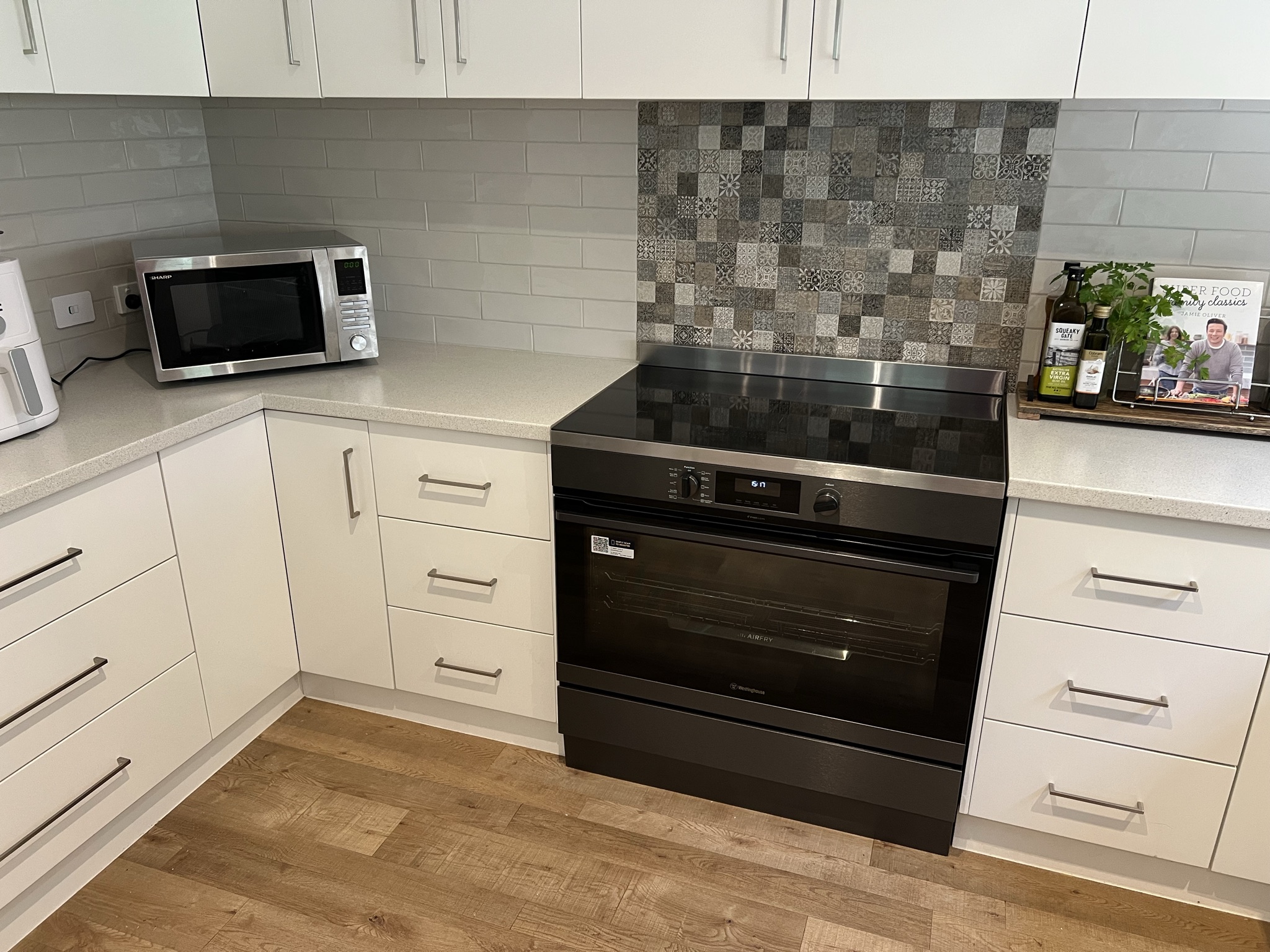
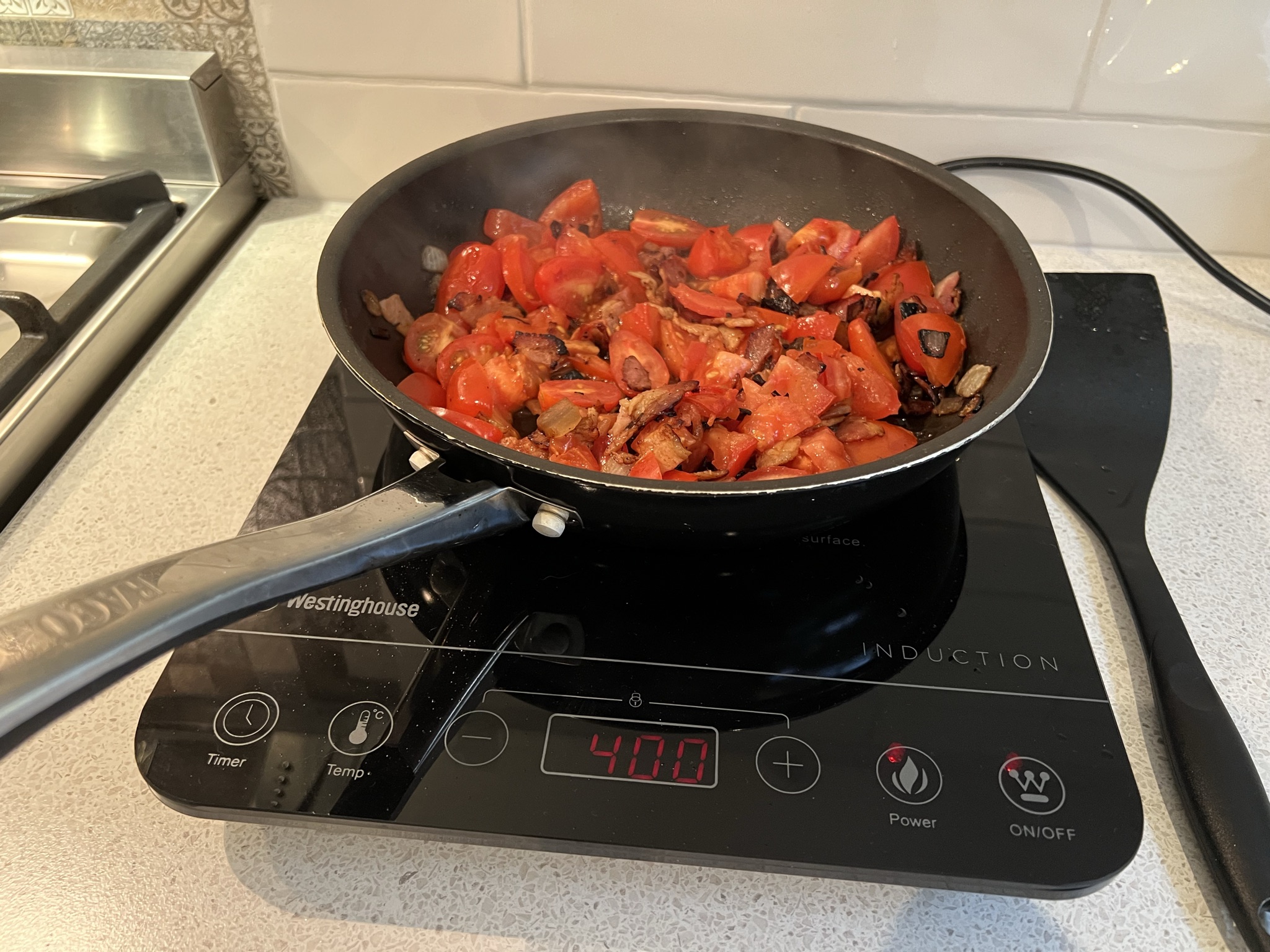
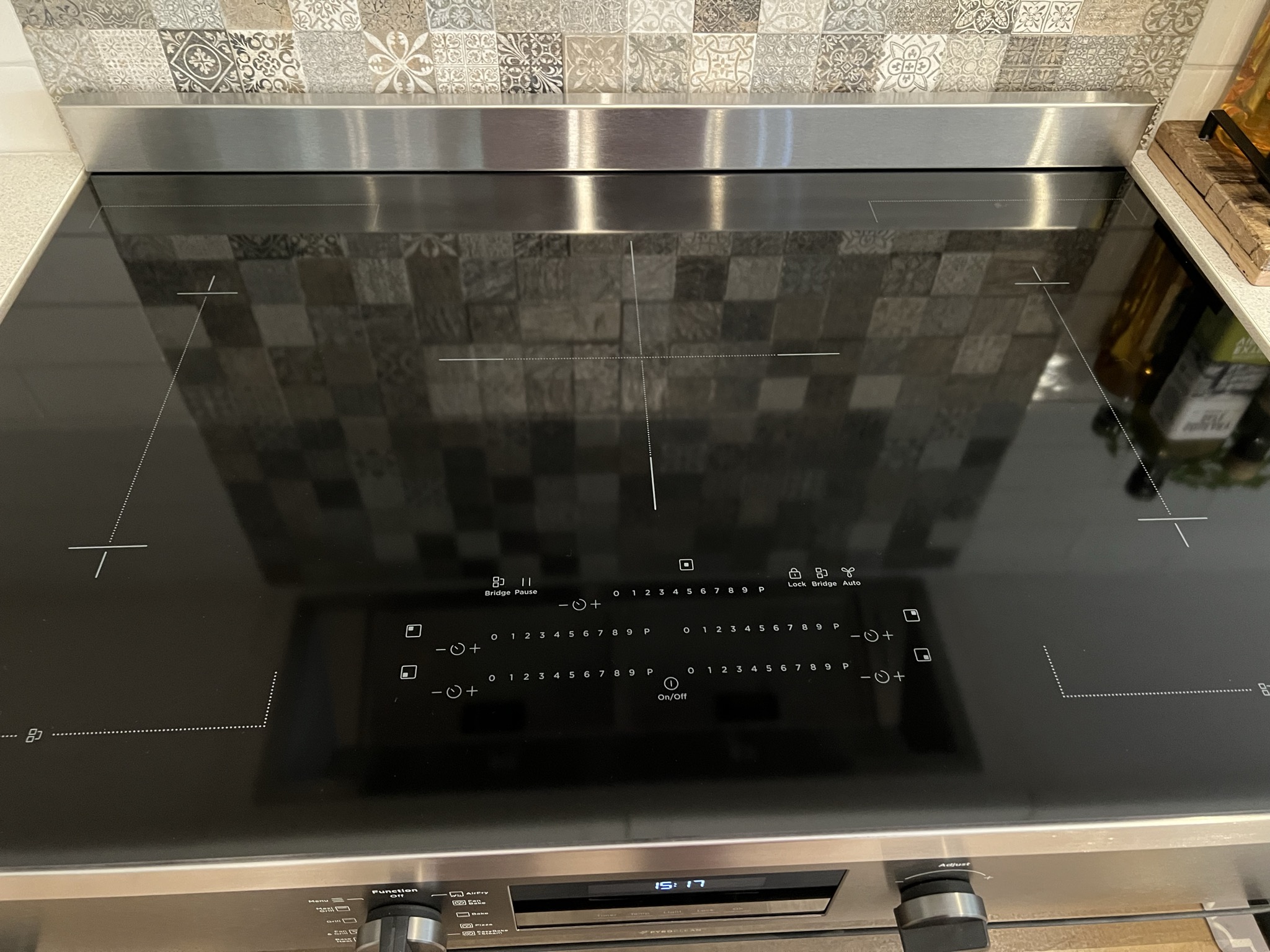
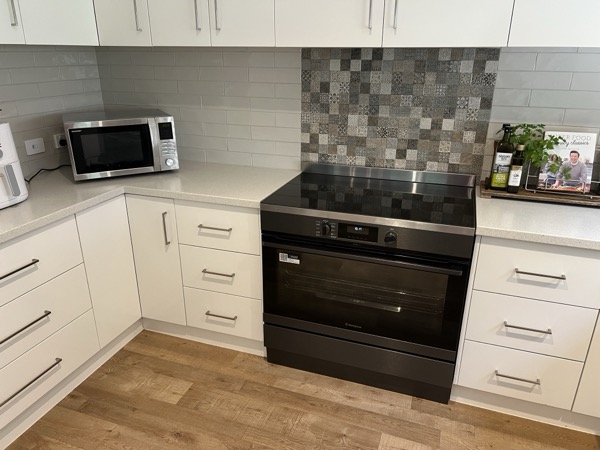
We have cooked on gas and on electric elements for years. This is our first month with a Westinghouse full induction cooktop in place of the gas.
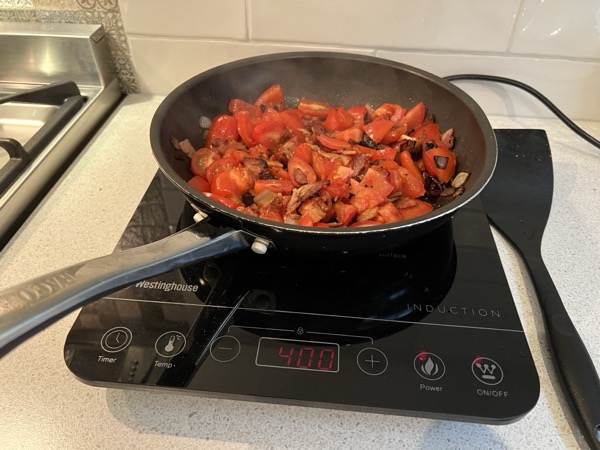
We had trialled induction on a small scale first. We bought a portable hotplate last year (also Westinghouse), as a spare in our kitchen — on the bench at home, and in the back of the car on road trips.
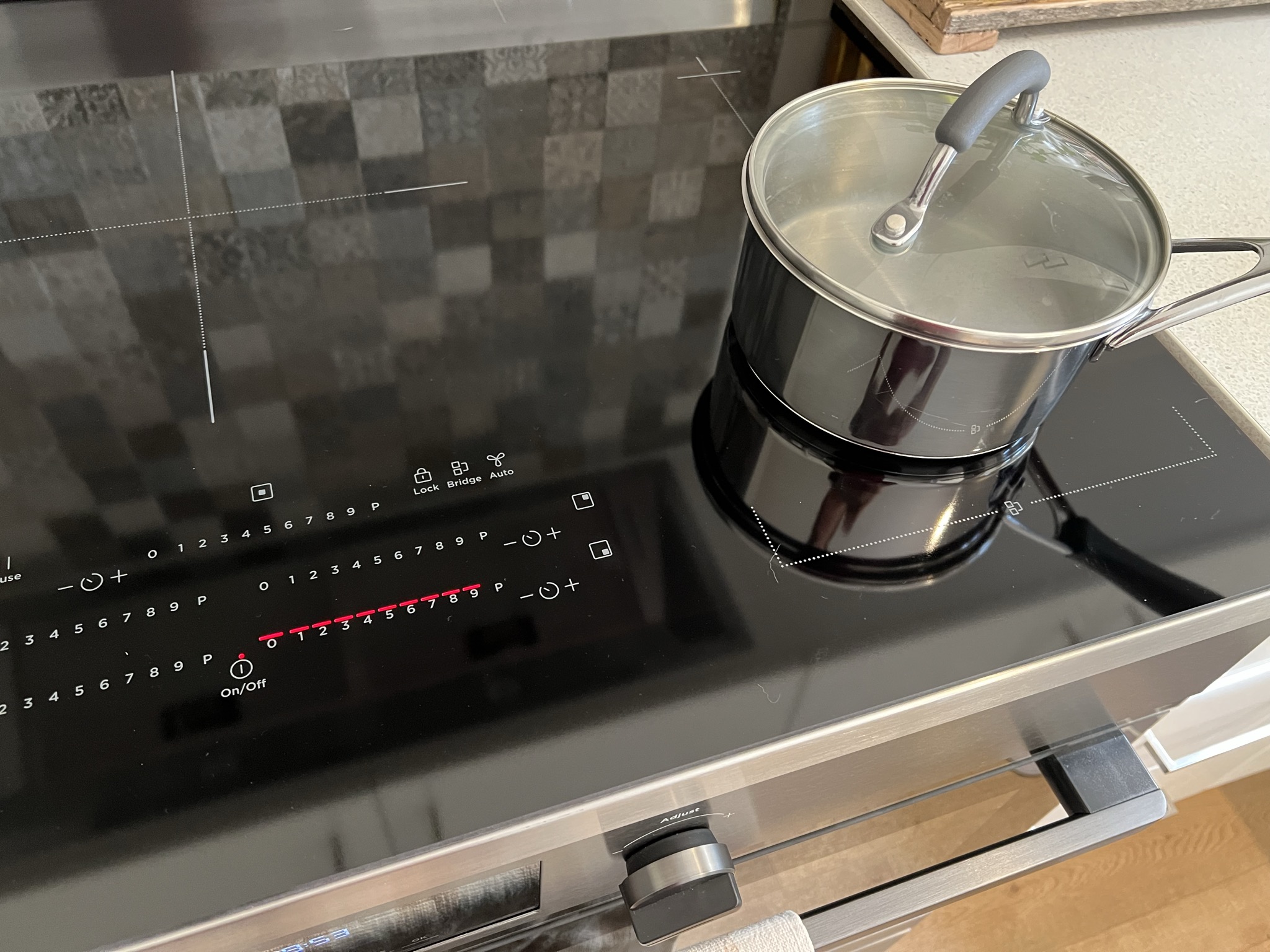
Induction still gets confused with the electric cooking most people remember, a metal hotplate or a coil glowing red, sometimes under glass. Induction works differently — it makes the pan itself the heating element, so nearly all the energy goes into the pan rather than into the kitchen, and the glass beside the pan stays cool enough to rest a hand on.
Here is what a month of it has been like.
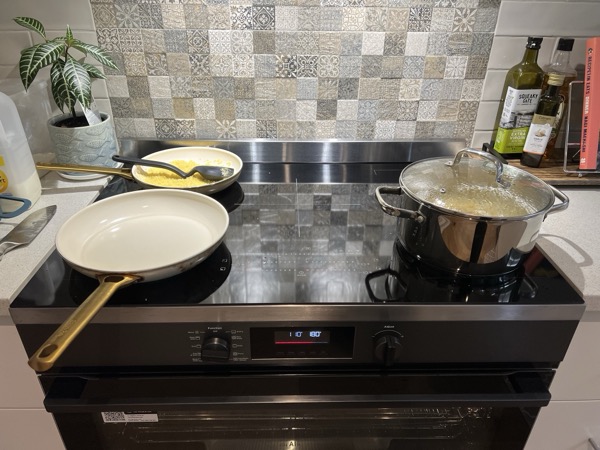
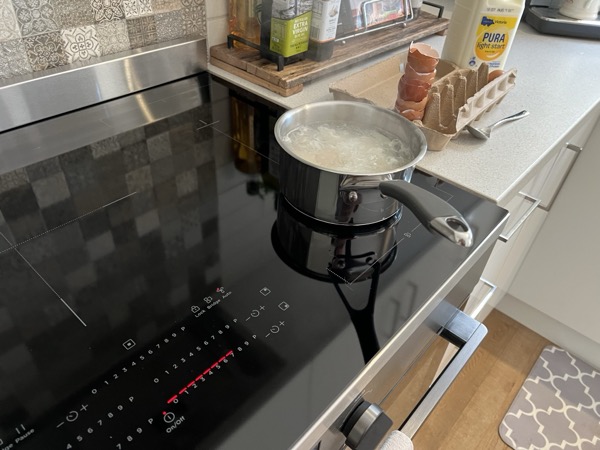
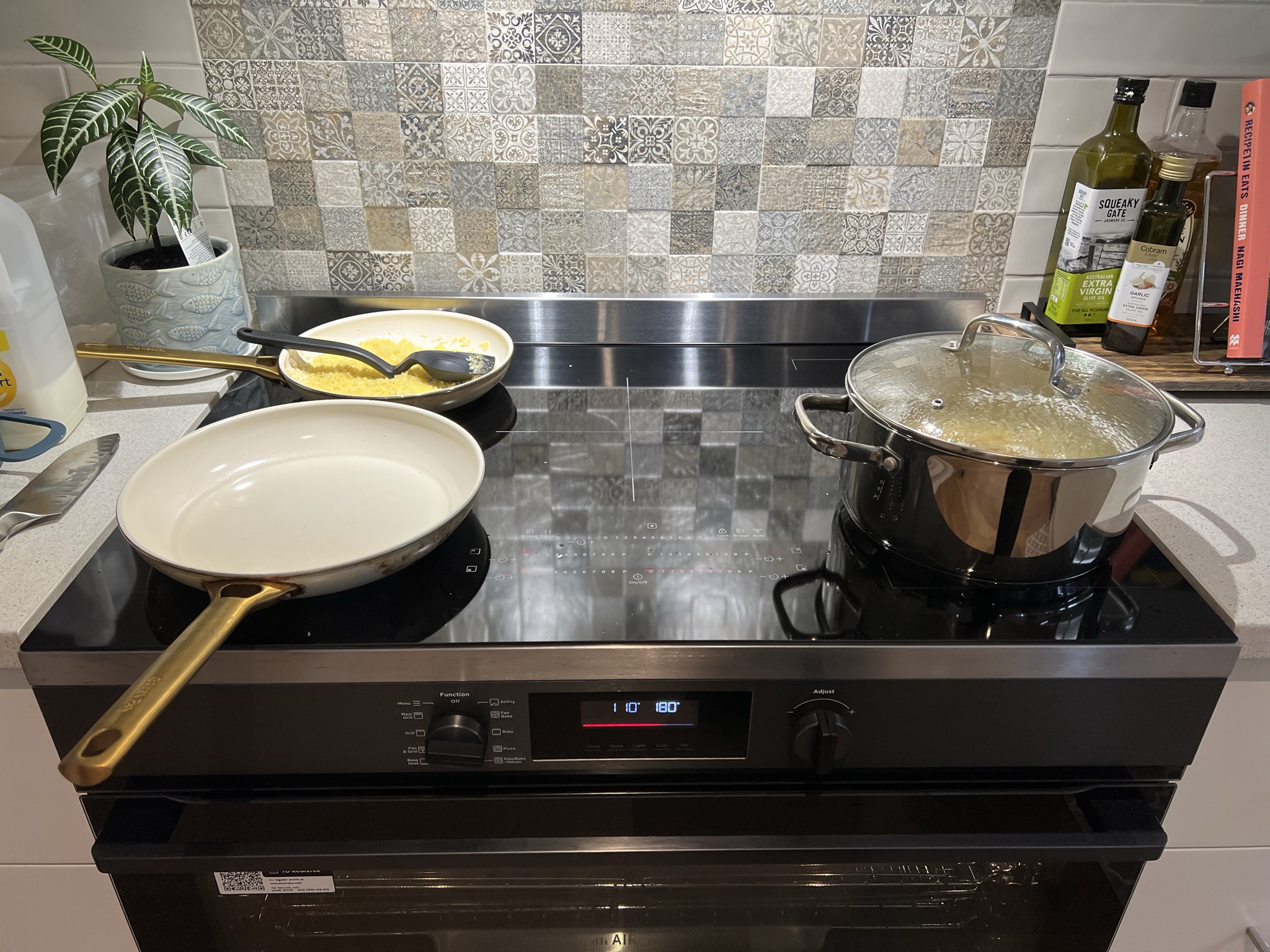
What stands out is how fast and how responsive it is. It comes on instantly, goes off instantly, and changes power the moment you ask. It boils faster than the gas did. CHOICE's testing has induction boiling a litre of water in about half the time gas takes.
The cooking technique has been the same. Just quicker, with less fiddling.
Cleaning is much easier. Our gas burners had layers of parts and crevasses that trapped muck, requiring disassembly and scouring to clean properly. Our new stove top is just a sheet of glass, which we wipe clean.
And the air in the kitchen is different, because nothing is being burnt. A gas flame puts nitrogen dioxide, fine particles and benzene into the room you are standing in, which is most of why a rangehood matters so much over gas. Induction produces none of it, so there is nothing to clear, and we are less inclined to run the rangehood at all. The kitchen is much quieter for it.
Most of what we cook with is our own electricity: solar off the roof, stored in the house battery. When the battery does draw from the grid, it is usually at times when the renewable share is high and the price has fallen under 10 cents a kilowatt hour.
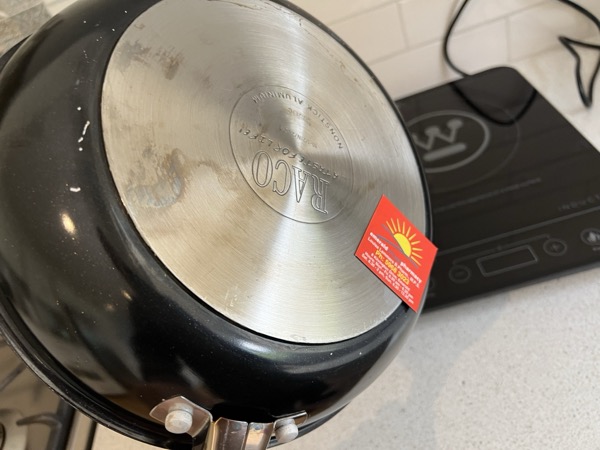
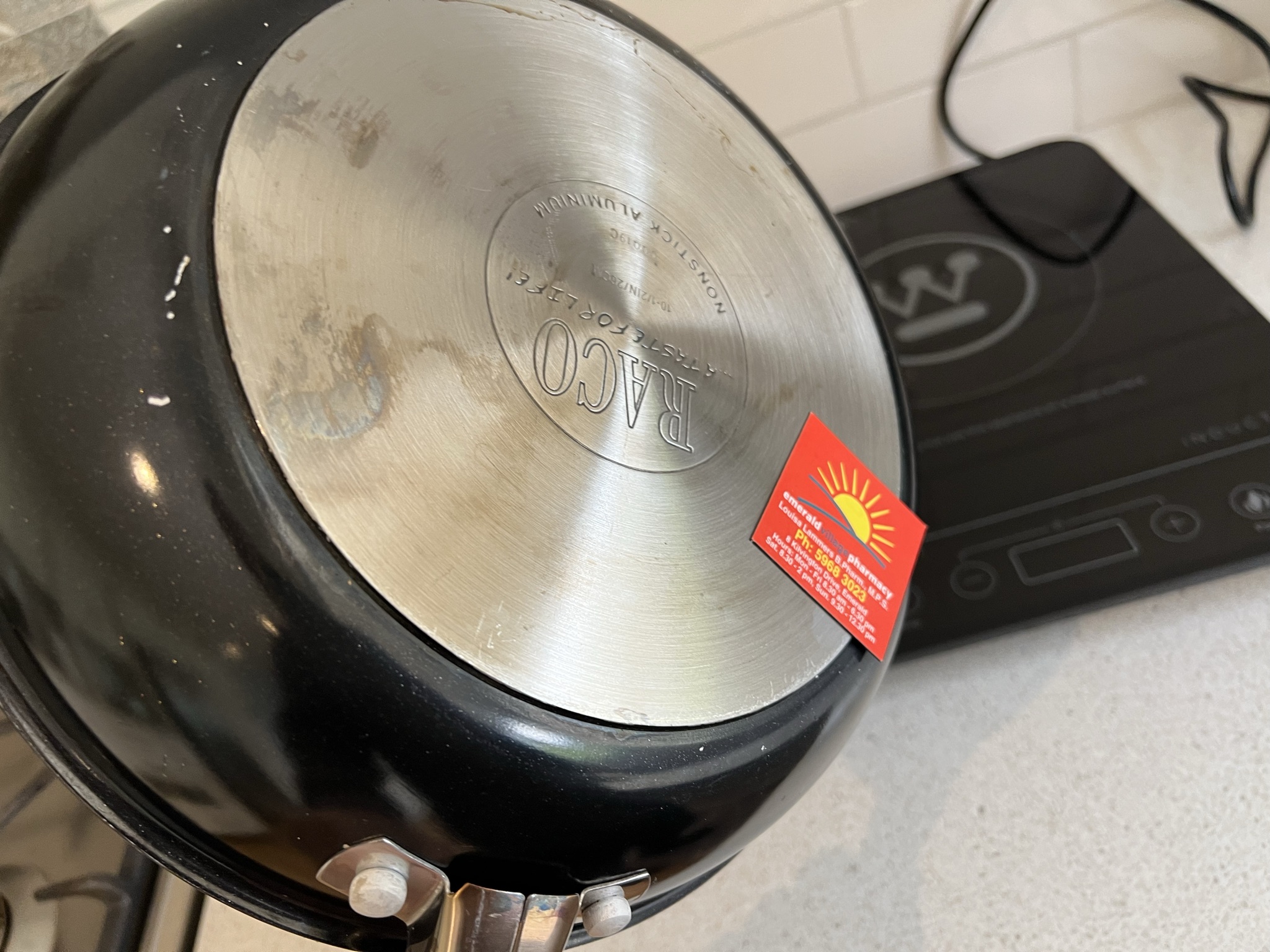
Cookware was a non-issue. About 90% of ours already worked. We tested with a fridge magnet: if it sticks to the base of the pan, the induction cooktop will heat it. We went through the cupboard one pan at a time. Only one large pan failed.
There is nothing we miss. The one real sting was the circuit. When we bought the stove we had no idea that installing a new circuit for it would be such a big job, or such an expense: 25 metres of cable through the roof, a 40 amp breaker, and a licensed gasfitter to cap the old gas supply. The cooker needs 40 amps of its own, and over that distance through roof insulation that means 10 mm cable, twice the cross-section of ordinary house wiring. We are not complaining about paying for it. We just did not see it coming.
Related Posts
- What the changeover took, and what it cost: Installing our induction stove 27 Jul 2026
- Why burning gas indoors was adding water to the house: Did going all-electric cause our mould? 6 Aug 2026
- Why we chose induction, and what the cooker cost: Oven bought in March, arrived in July 12 Jul 2026
Links
- Asthma Australia on gas appliances, nitrogen dioxide and fine particles: Asthma Australia — Gas appliances
- The Stanford study that measured benzene coming off gas burners: Cooking on gas stoves emits benzene
- The Medical Journal of Australia on damp housing, gas stoves and childhood asthma: Damp housing, gas stoves, and the burden of childhood asthma in Australia
- CHOICE on switching from gas to induction, including their boil-time testing: CHOICE — Switching from gas to induction
Leave a comment